Saving money on a low income can be difficult because most earnings may already be committed to housing, food, transportation, utilities, debt payments, and other essential costs. A workable savings plan does not depend on having a large amount left at the end of each month. It begins with knowing where money goes, reducing avoidable costs, and setting aside small amounts on a regular schedule.
Savings serve more than one purpose. They can prevent a minor problem from turning into expensive debt. A modest cash reserve may cover a prescription, urgent dental treatment, a car repair, a higher utility bill, or several days without paid work. Without savings, the same expense may need to go on a credit card, overdraft, or short-term loan carrying high fees.
The first target will usually be a small emergency reserve rather than a large investment balance. Longer-term goals can follow once routine bills are manageable and there is some protection against unexpected costs. The amount saved may look modest at the beginning. Consistency matters more than an impressive opening deposit.
Begin With an Accurate Record of Your Finances
Start by recording all income and spending for at least one month. Include wages, government benefits, pensions, freelance payments, child support, maintenance payments, rental income, tips, and any other money received. Use net income—the amount available after tax and payroll deductions—rather than gross pay.
If income changes from month to month, calculate an average using the previous three to six months. It may be safer to build the budget around a lower-income month. Earnings above that figure can then be assigned to savings, debt, or upcoming bills rather than being treated as ordinary spending money.
Next, record every expense. Bank statements and card records provide a useful starting point, but they may not show cash purchases. Keep receipts or make short notes for cash spending. A basic spreadsheet, notebook, budgeting application, or printed calendar is enough. The tool matters less than the accuracy of the record.
Sort Expenses by How They Behave
Expenses generally fall into three broad groups:
- Fixed expenses, such as rent, loan payments, insurance premiums, and subscription charges.
- Variable expenses, including groceries, fuel, clothing, household goods, and leisure spending.
- Irregular expenses, such as vehicle repairs, school costs, annual fees, gifts, and medical bills.
Irregular expenses often cause the most trouble because they do not appear every month. They are still part of the cost of living. If vehicle registration costs 240 units of currency each year, its monthly cost is 20. Setting aside that amount each month is usually easier than finding the entire payment shortly before the deadline.
Small purchases also deserve attention. One low-cost transaction may have little effect on the budget, but repeated purchases can consume money that could cover a bill or fund a savings deposit. Tracking is not a punishment for buying coffee or a snack. It shows whether spending matches the household’s current priorities.
Calculate Your Essential Monthly Cost
After recording spending, calculate the minimum amount needed to operate the household for one month. Include housing, basic food, utilities, necessary transportation, healthcare, insurance, childcare, and minimum debt payments. Optional purchases should remain outside this figure.
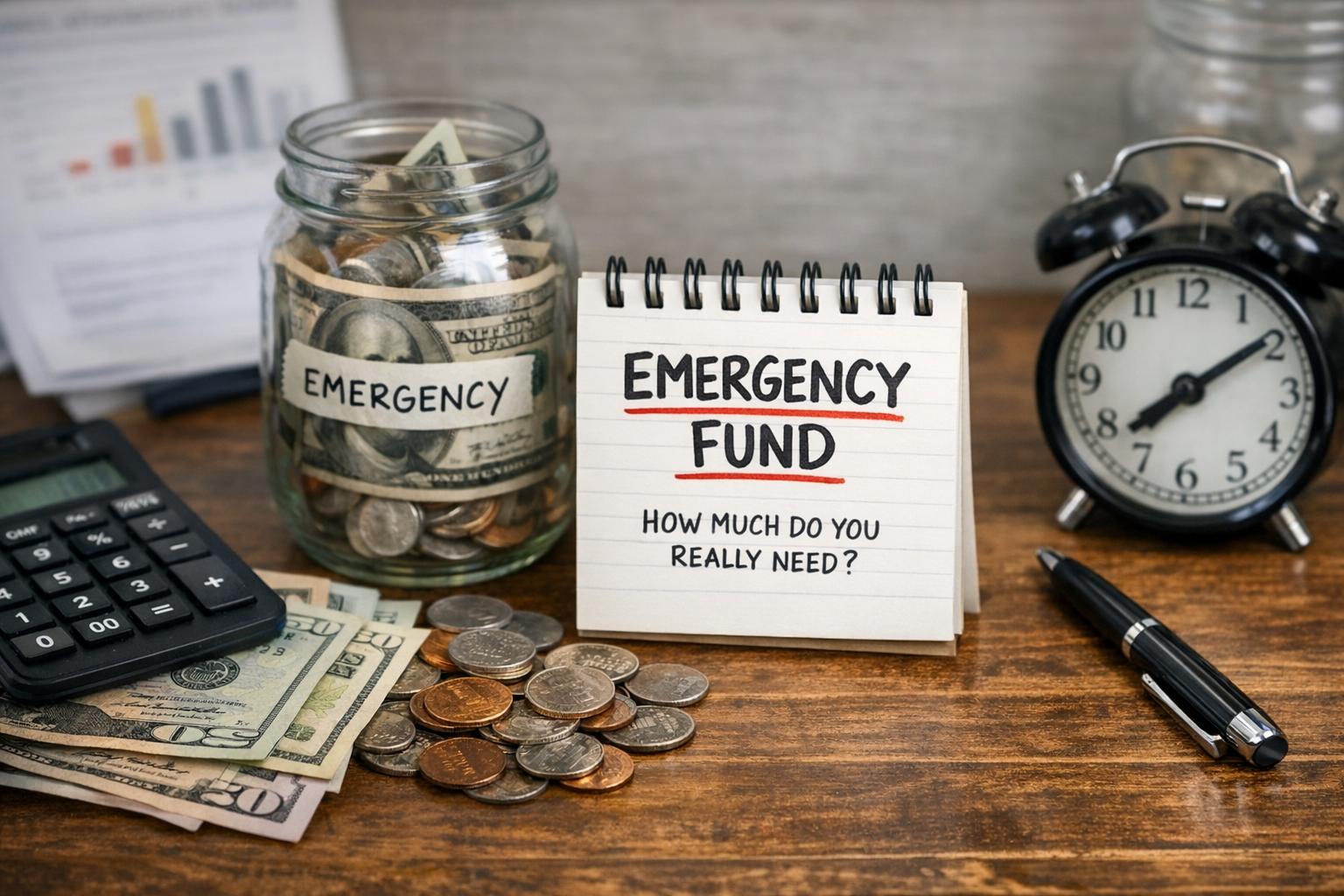
This calculation gives you a useful emergency-fund target. If essential monthly expenses total 1,600, then an emergency reserve of 400 covers roughly one week, while 1,600 covers one month. Breaking the target into smaller stages makes it easier to measure progress.
The calculation can also reveal whether the budget has a spending problem, an income problem, or both. There is a point at which further cuts are neither practical nor healthy. A household already spending very little on food, heating, medicine, and transportation may need income support, debt advice, lower housing costs, or extra earnings rather than another round of minor reductions.
Separate Needs, Wants, and Financial Priorities
A useful budget distinguishes among needs, wants, and financial priorities. Needs include costs required for health, housing, work, family care, and basic daily life. Wants include purchases that can be reduced, postponed, or removed without causing serious harm. Financial priorities include emergency savings, debt repayment, and money reserved for known future expenses.
The dividing line depends on the household. Internet access may be required for remote work, school, job applications, or medical appointments. A vehicle may be necessary in an area without public transport. A mobile phone may be the main point of contact for an employer. Labels should reflect actual circumstances rather than a generic budgeting rule.
Review each expense with three questions:
- Does the household need this expense?
- Could the same need be met at a lower cost?
- What would happen if the expense were postponed or removed?
A plan that removes every enjoyable purchase tends to be hard to maintain. A small, planned allowance for leisure may reduce impulsive spending later. The amount should fit the budget, but it need not be zero. Personal finance still has to function on an ordinary Tuesday, not only on paper.
Set a Small Initial Savings Target
A large target can make saving feel pointless when income is low. Begin with an amount that is manageable. It might be 5 each week, 10 per pay period, or 1% of income. The opening target could be 100, 250, or enough to cover one common household problem.
Choose a target linked to a real cost. If a basic car repair usually costs 300, use that as the first goal. If the main concern is a utility bill, aim for one month of gas, electricity, and water charges. A practical figure gives the saving process a clear purpose.
Once the first target is reached, set another stage. A typical sequence may look like this:
| Stage | Possible Target | Main Purpose |
|---|---|---|
| Starter reserve | 100 to 500 | Minor repairs, prescriptions, or bill shortages |
| Short emergency fund | One to two weeks of essential expenses | Brief loss of earnings or a larger repair |
| One-month reserve | One month of essential expenses | Income disruption or several unexpected costs |
| Longer reserve | Three to six months of essential expenses | Longer unemployment, illness, or family disruption |
Not every household needs the same final target. A person with secure employment, paid sick leave, and low fixed costs may need less cash than a self-employed worker supporting children. Renters and homeowners also face different repair obligations. Set the amount according to the risks you actually carry.
Use a Budgeting Method You Will Maintain
A budget should make decisions easier. If it takes hours to update or has too many categories, it may be abandoned. Choose a method that matches how you are paid and how you normally spend.
Zero-Based Budgeting
With a zero-based budget, every unit of expected income receives a job. Income is assigned to bills, food, transportation, savings, debt payments, and personal spending until no unassigned money remains. This does not mean spending the bank balance down to zero. It means every available amount has a planned use.
This method can work well when income is predictable. Households with variable earnings can use a conservative income estimate and assign extra income only after it arrives.
Weekly Spending Limits
A weekly limit may suit someone paid monthly. After reserving money for rent, bills, savings, and scheduled payments, divide the remaining daily spending money across the weeks until the next payday.
Suppose 360 remains for groceries, fuel, and ordinary household purchases after fixed commitments. A weekly allowance of 90 is easier to monitor than one monthly amount. It also reduces the chance of spending too much during the first half of the month.
Category or Envelope Budgeting
The envelope method assigns money to categories such as food, transport, medicine, and leisure. Traditional envelopes use cash, but separate bank spaces or written category balances can achieve the same result.
Once a category is empty, spending stops unless money is deliberately moved from another category. That transfer should be recorded. Otherwise, the budget becomes a collection of hopeful estimates rather than a working plan.
Pay-Period Budgeting
People paid weekly or every two weeks may prefer to plan around each paycheck. List all bills due before the next payment, reserve money for daily costs, and transfer the planned savings amount. This approach connects each paycheck with the expenses it must cover.
Whichever method you choose, schedule a short weekly check. Ten minutes is often enough to review balances, upcoming direct debits, and recent purchases.
Pay Yourself Near the Start of the Pay Cycle
Saving only what remains before the next payday often produces inconsistent results. Daily costs tend to absorb available cash. Treating savings as a planned payment can work better, provided the amount is affordable.
Arrange a transfer on payday or shortly after income arrives. Beginning with a small amount reduces the risk of overdraft fees. If 20 is too much, try 5. A small transfer that remains in the account is better than a larger transfer that must be reversed a few days later.
Those with irregular earnings can use a percentage rather than a fixed amount. Saving 1% or 2% from every payment keeps the contribution proportionate to income. A stronger month produces a larger deposit, while a weaker month requires less.
Automatic transfers are useful only when payment dates are dependable. If wages sometimes arrive late, a manual transfer may be safer. Check direct debit dates, pending card transactions, and the account balance before moving money. One overdraft fee can erase several weeks of small savings.
Keep Savings Separate From Everyday Spending
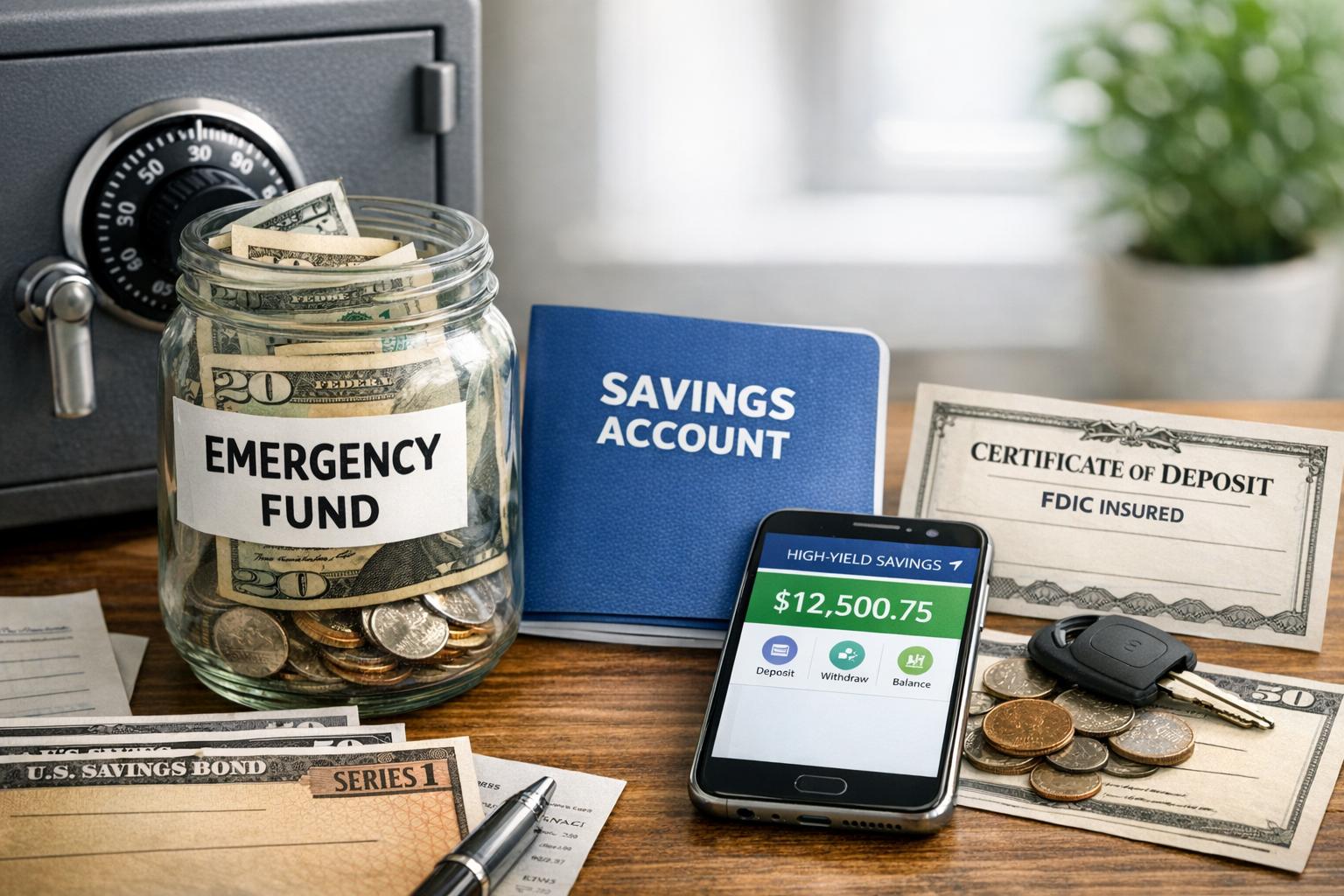
Emergency money should not sit in the same account used for groceries, fuel, and routine bills. A separate savings account creates a practical boundary. It also makes progress easier to see.
The account should be accessible when a real emergency occurs, but it does not need a debit card in your wallet. Friction helps. Waiting a few hours for a transfer may prevent casual withdrawals while leaving the money available for an urgent expense.
Before opening an account, compare:
- Monthly and transaction fees
- Minimum balance rules
- Interest rates
- Withdrawal restrictions
- Deposit protection
- Transfer times
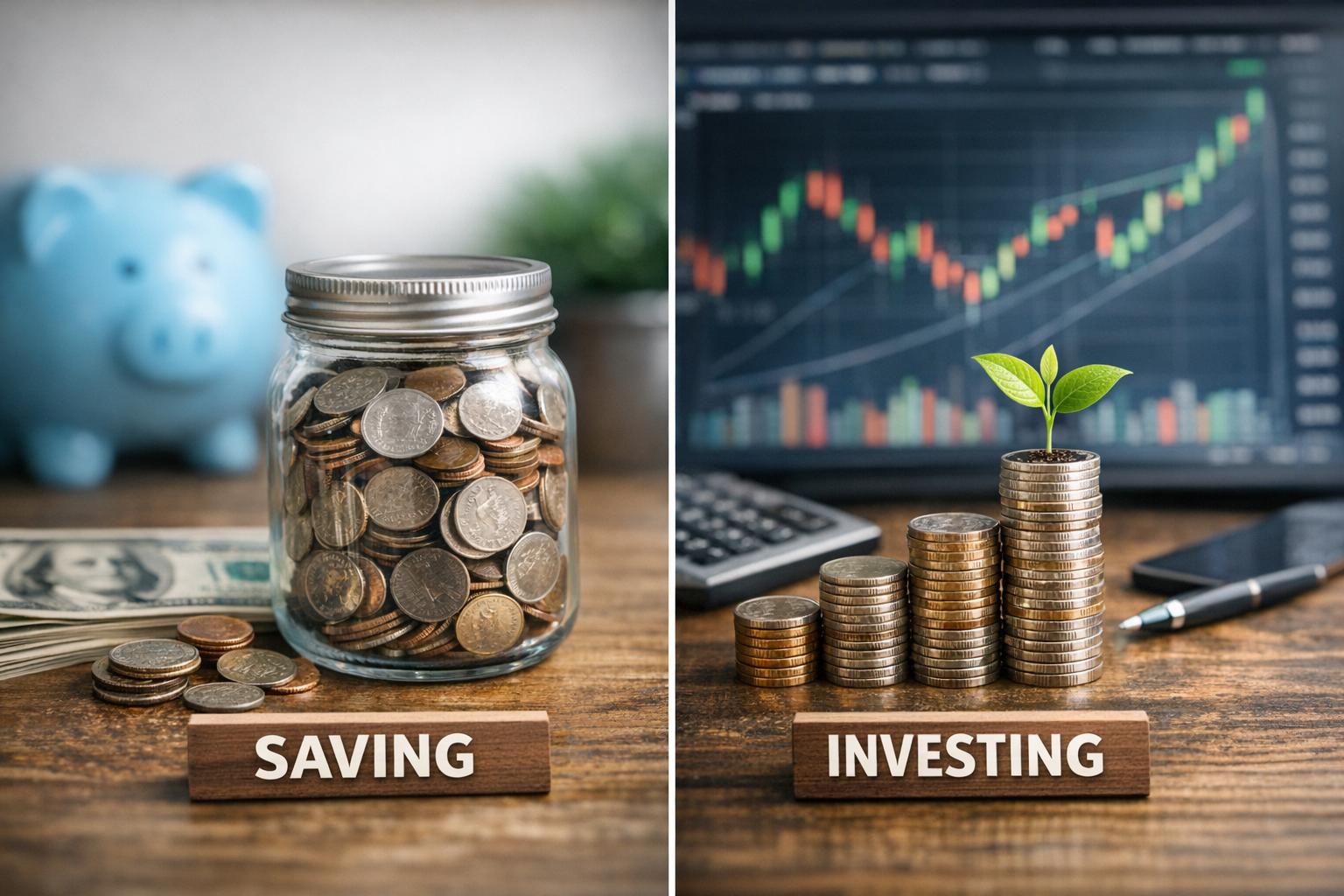
Interest matters, but fees matter more when the balance is small. An account paying a better rate may still be poor value if it charges maintenance fees or penalizes withdrawals. Emergency money should also remain in cash or a cash-like deposit account. Investments may fall in value at the exact moment the money is needed.
Reduce Regular Bills Before Cutting Every Small Purchase
Recurring bills offer good opportunities because one successful change may reduce costs every month. Review mobile service, internet, insurance, banking fees, streaming subscriptions, gym membership, software charges, and any automatic renewals.
Check the past three months of statements for charges you no longer recognize or use. Free trials often turn into paid subscriptions, and small monthly fees can continue unnoticed. Canceling two services at 8 each creates 192 in annual savings without changing the grocery budget.
Contact Service Providers
Ask whether a cheaper plan, customer discount, hardship rate, or payment arrangement is available. Prepare by checking competitor prices and reviewing your current usage. There is little value in paying for high data allowances, premium channels, or extra features that rarely get used.
Compare the full contract cost rather than the advertised monthly rate. Equipment rental, installation fees, annual increases, and cancellation charges can change the result. A cheap opening offer may become expensive after the introductory period ends.
Review Insurance Carefully
Insurance premiums should be checked periodically, but reducing coverage without reviewing the risk can be costly. A lower premium may come with a higher deductible, lower payout cap, or exclusions that make the policy less useful.
Ask about discounts for paying annually, combining policies, improving home security, or maintaining a claim-free record. Paying annually should only be considered if doing so will not empty the emergency reserve or force the household to use credit.
Control Energy and Water Costs
Low-cost changes may include adjusting heating and cooling settings, closing curtains at night, sealing obvious drafts, washing clothes in cold water, using full loads, turning off unused appliances, and reporting leaking taps.
Avoid buying expensive equipment solely because it claims to reduce bills. Calculate the expected annual saving and how long the purchase will take to repay its cost. Renters should check the lease and ask the property owner before making permanent changes.
Lower Food Spending Without Reducing Nutrition
Food costs can often be reduced through planning and waste control. The aim is not to buy the cheapest food at any cost. A poor diet may lead to health problems and higher expenses later.
Begin by checking cupboards, the refrigerator, and the freezer before shopping. Build several meals around food already at home. Write a short list and check store prices where practical. Unit pricing helps compare different package sizes, though the largest package is only economical if the food will be used.
Lower-cost staples may include beans, lentils, rice, oats, pasta, potatoes, eggs, canned fish, frozen vegetables, and seasonal produce. Store brands often cost less than branded products and may have similar ingredients. Compare labels and price per unit rather than assuming either option is always better.
Plan Flexible Meals
Flexible meals reduce waste because ingredients can be swapped according to price and availability. Soups, stews, curries, pasta dishes, rice bowls, omelets, and baked potatoes can use vegetables or proteins already on hand.
Preparing several portions can reduce the cost per serving and save time. Freeze suitable portions promptly and label them with the date. Batch cooking only saves money when the food gets eaten; a freezer full of forgotten containers is more archaeology than budgeting.
Takeaway meals, delivered food, vending-machine purchases, and drinks bought away from home may consume a large share of discretionary income. Replacing one or two purchases each week can make a measurable difference without requiring every meal to be cooked from scratch.
Use Food Assistance When Needed
Anyone facing food insecurity should check available support rather than skipping meals or reducing necessary nutrition. Depending on location, help may include government benefits, food banks, community kitchens, school meals, local charities, and reduced-price food programs.
Using eligible support can release money for rent, utilities, medicine, and emergency savings. Assistance programs exist because food is a basic need, not a test of personal discipline.
Reduce Transportation Costs
Transportation can take a large share of low income, particularly where a car is required for work. Calculate the full cost rather than looking only at fuel. Include insurance, registration, finance payments, maintenance, parking, tolls, inspections, and depreciation.
Where practical, combine errands, share rides, use public transport, walk short routes, or ask an employer about travel support. Compare weekly and monthly transit passes with single fares based on actual usage. A pass is not a saving if it goes unused.
Routine vehicle maintenance can prevent larger repair bills. Check tire pressure, oil, fluid levels, and service dates according to the manufacturer’s guidance. Delaying a small repair may lead to a more expensive problem, though quotes should be compared when time allows.
Drivers with car finance should review the agreement before refinancing or selling. Early repayment charges, negative equity, and a longer loan term can make an apparently lower payment more expensive across the full contract.
Manage Debt While Building an Emergency Fund
Debt repayment and saving should be considered together. Putting every spare amount toward debt may leave no cash for emergencies. The next unexpected bill can then go straight back onto credit.
A starter emergency fund can break that cycle. After building a small reserve, direct extra money toward high-interest debt while maintaining the reserve for genuine emergencies. Continue paying at least the required amount on every account to avoid late fees and harm to your credit record.
Choose a Repayment Method
The avalanche method directs extra payments to the debt with the highest interest rate while minimum payments continue on other balances. It usually reduces interest costs faster.
The snowball method directs extra money to the smallest balance. Clearing one account may simplify monthly administration and free its minimum payment for the next debt.
Both methods rely on consistent payments. The better choice is the one that fits the household’s cash flow and is likely to be maintained.
Act Before Missing Payments
Contact lenders before a missed payment if bills are becoming unaffordable. A lender may offer a revised due date, temporary reduced payment, hardship arrangement, or interest pause. Ask how the arrangement will affect interest, fees, account access, and credit reporting.
Be cautious with debt companies that request large upfront fees, promise rapid debt removal, or tell customers to stop speaking with creditors. Independent nonprofit or regulated debt advisers may offer safer guidance, depending on the country.
Plan for Annual and Irregular Expenses
Many apparent emergencies are predictable expenses with inconvenient timing. School supplies, vehicle registration, seasonal clothing, holidays, appliance replacement, annual memberships, and routine medical costs may not occur monthly, but they should still appear in the budget.
Create a sinking fund for each larger category or use one account with a written record of the amounts assigned. If annual school costs are expected to be 360, saving 30 per month spreads the expense across the year.
| Planned Expense | Estimated Annual Cost | Monthly Amount |
|---|---|---|
| Vehicle registration and inspection | 300 | 25 |
| School supplies | 240 | 20 |
| Clothing | 360 | 30 |
| Routine medical costs | 480 | 40 |
Estimates will not always be exact. Review them after each payment and adjust the monthly amount. If the annual cost rises, increasing the sinking-fund contribution by a small amount is easier than absorbing the full increase later.
Save Part of Windfalls and Irregular Income
Tax refunds, bonuses, gifts, rebates, overtime pay, sale proceeds, and stronger freelance months can build savings faster than small routine transfers. Decide how the money will be divided before it reaches the spending account.
One approach is to place part in emergency savings, part toward overdue bills or high-interest debt, and part toward a planned purchase. The proportions should reflect current needs. If rent or utilities are overdue, bringing those accounts current may take priority.
Workers with fluctuating income can create an income-buffer account. During stronger months, deposit money that can support the household during slower periods. This buffer is separate from an emergency fund because an expected seasonal drop in earnings is not an emergency.
Budgeting irregular income requires restraint during strong months. Treating a temporary increase as permanent income can lead to subscriptions, finance payments, or housing costs that remain after earnings fall.
Check Benefits, Tax Credits, and Workplace Support
Saving is not only a matter of spending less. Check eligibility for government benefits, tax credits, housing support, childcare assistance, reduced-cost healthcare, utility programs, and transport concessions. Rules vary by location, income, household size, age, disability status, and family circumstances.
Use official agencies, recognized community organizations, or licensed advisers. Keep copies of applications, income records, letters, and renewal dates. Some programs require annual reviews or prompt reporting when household circumstances change.
Employees should review workplace benefits as well. Possible support may include retirement contributions, commuter assistance, health plans, childcare programs, training allowances, employee discounts, or matched savings. Read the access and tax rules before committing money that may be difficult to withdraw.
A retirement contribution matched by an employer can offer good value. Even so, the decision should account for current rent, food, high-interest debt, and emergency cash. A benefit is less useful if contributing leads to overdraft charges or missed bills.
Look for Income Improvements Without Ignoring Costs
There is a practical floor below which spending cannot safely fall. If essential costs regularly exceed income, earning more may have a greater effect than repeated budget cuts.
Possible options include requesting extra shifts, checking eligibility for a pay review, changing working hours, selling unused goods, taking occasional freelance work, or completing training linked to higher pay. Each option carries costs. Childcare, travel, equipment, tax, and benefit reductions can reduce the net gain.
Calculate how much extra money will remain after those costs. An extra shift paying 90 may produce far less after transport and childcare. Side work may also require tax records, insurance, platform fees, or equipment.
A modest, dependable increase in net income can still help. Assigning part of every increase to savings prevents the new income from disappearing into routine spending. The remaining part can support current living costs, which makes the arrangement easier to sustain.
Define What Counts as an Emergency
Emergency savings work better when the household agrees on what the money is for. Suitable uses may include urgent medical care, essential car repairs, emergency travel, necessary home repairs, or replacing income after a job loss.
Routine holidays, planned gifts, sale purchases, and ordinary monthly shortages should usually come from other budget categories. That said, a strict definition should not prevent sensible use. If withdrawing 150 prevents a utility disconnection and several added fees, the fund is doing its job.
Write a short rule for the account, such as: This money is for urgent, necessary, and unplanned costs that cannot be covered from current income. A written rule can reduce uncertainty when deciding whether to withdraw.
Protect Savings From Fraud and High-Risk Offers
Low-income savers may be targeted by offers promising fast returns, guaranteed profits, or easy access to loans. Be wary of any scheme that requires recruitment, payment by cryptocurrency or gift card, secrecy, or immediate action.
Do not share banking passwords, one-time security codes, or full card details with unsolicited callers or messages. Confirm requests by contacting the institution through a phone number printed on a statement or shown in its official application.
Emergency savings should not be placed in speculative investments. Shares, funds, and other investments may suit long-term goals, but their value can fall. Money needed for next month’s rent or a repair should remain accessible and protected according to local deposit rules.
Review the Budget Once a Month
Compare planned spending with actual transactions at least monthly. Look at where estimates were wrong and why. A difference may result from a price increase, forgotten annual bill, one-off purchase, or unrealistic category amount.
Adjust the plan rather than repeatedly forcing spending into an inaccurate figure. If groceries have exceeded the budget for three months despite careful shopping, the grocery estimate may be too low. Taking money from another category or changing the savings target may be more honest than pretending the same figure will work next month.
Review progress without focusing only on the account balance. Useful measures include:
- The number of weeks in which a savings transfer was made
- The reduction in recurring bills
- The amount of high-interest debt repaid
- The number of planned expenses funded without borrowing
- The growth of the emergency reserve
When a pay rise, extra shift, or new benefit increases income, direct part of it to savings before expanding routine spending. When a loan, subscription, or childcare payment ends, move some or all of that former payment to another financial priority.
What to Do After Using Emergency Savings
Using an emergency fund for its intended purpose is not a budgeting failure. It means cash was available when needed. Without it, the household may have faced interest charges, late fees, or loss of service.
After the expense, check whether the event revealed a new recurring cost. A car repair may indicate future maintenance needs. A medical bill may justify a larger healthcare sinking fund. Update the budget where necessary, then restart regular contributions.
Do not rush to refill the account with an unaffordable transfer. Return to the previous schedule or use a slightly higher amount if current income allows. Rebuilding steadily is safer than creating a shortage elsewhere.
A Practical 30-Day Starting Plan
Days 1 to 7: Record and Organize
List all sources of net income, fixed bills, debts, subscriptions, and recent variable spending. Check bank statements for forgotten charges. Estimate annual and irregular costs, then calculate the household’s essential monthly expense.
Days 8 to 14: Make One Useful Reduction
Choose one recurring expense to reduce, renegotiate, or cancel. Avoid trying to change ten categories at once. One reduction that saves 15 per month creates 180 per year and is easier to track.
Days 15 to 21: Separate the Savings
Open or designate a savings account without routine card access. Set an opening target and transfer an affordable amount. If automatic transfers are safe, schedule one around payday. Otherwise, add a reminder to the calendar.
Days 22 to 30: Check Support and Debt Costs
Review benefit eligibility, workplace programs, utility support, and tax credits. List debts by balance, interest rate, minimum payment, and due date. Decide whether the avalanche or snowball repayment method fits the household after the starter reserve has been built.
At the end of the month, compare the plan with actual spending. If the savings contribution caused a shortage, reduce it. If it was comfortable, continue or raise it slightly. The aim is a repeatable system, not a short burst of aggressive saving.
Building a Sustainable Savings Habit
Saving money on a low income requires accurate figures and realistic expectations. Small deposits may grow slowly, but they still reduce reliance on credit and provide room to handle ordinary financial shocks.
The strongest approach combines expense tracking, an affordable savings target, separate accounts, careful management of recurring bills, planned irregular expenses, responsible debt repayment, and full use of eligible support. Income improvements can help where spending has already been reduced as far as reasonably possible.
Progress will not follow a perfect upward line. Bills rise, income changes, and emergencies happen. The useful habit is returning to the plan after disruption. Saving 5 consistently, using it when genuinely needed, and rebuilding it can be more valuable than setting an unrealistic target that collapses within one pay cycle.